Página 1 de 2

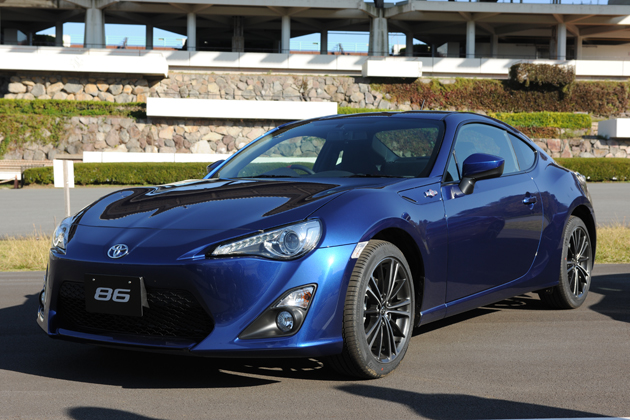
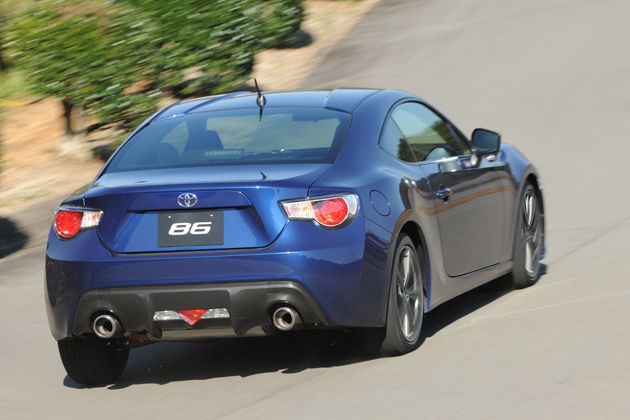
BRZ versus GT 86

Enviado: 06 Dez 2011, 01:59
por AlvoErrado2
Imagem
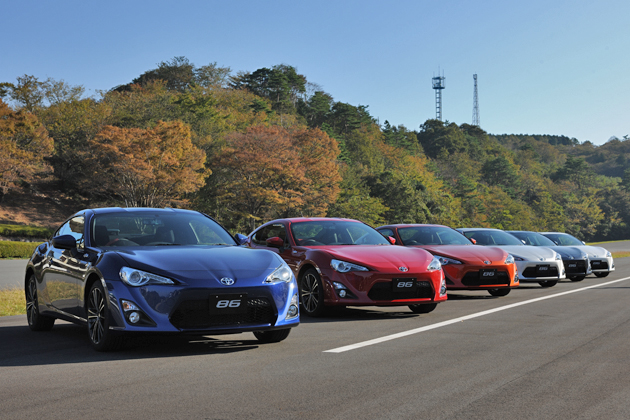
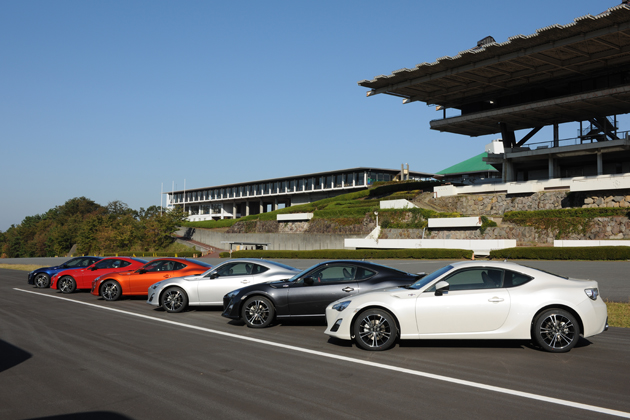
EVO es la primera publicación que ha conseguido juntar en menos de 48 horas dos pruebas de los gemelos BRZ y GT 86 de la familia Tobaru, publicando a continuación sus impresiones. Y como no podíamos dejar pasar la oportunidad, te traemos la respuesta a la pregunta más "cuestionada" en las últimas dos semanas: ¿en qué se diferencian?

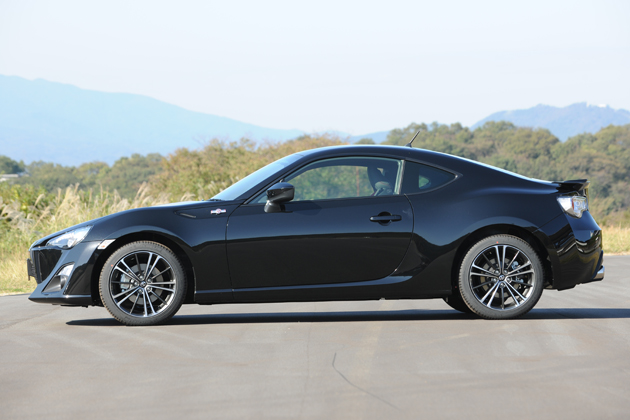
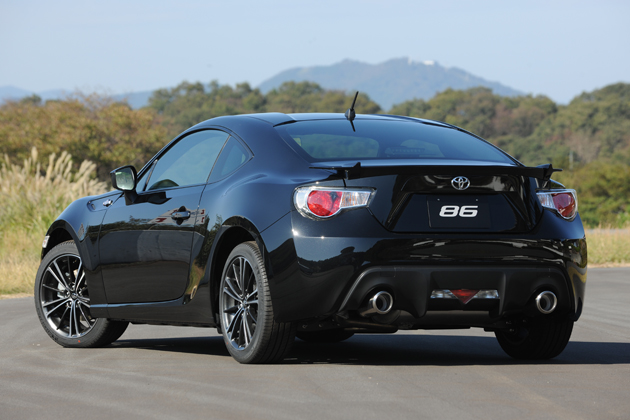
Pues bien, además de lo que muchos habíais visto (20 kilos extra en ficha para el Subaru, merced a un equipo de serie más rico), las únicas diferencias son los paragolpes, calandra, llantas, y lo más importante, muelles marginalmente más rígidos para el Subbie que para el Toyota.

Por lo demás ambos, coches se sienten prácticamente igual, y salvo que andes saltando de uno a otro, resulta imposible percatarse de las diferencias de estilo. Con lo que sí que nos quedamos es con las impresiones que tanto Pistonheads como EVO han sacado sobre la dirección. Y es que a pesar de ser una instalación eléctrica con motor en la columna de dirección, ambas publicaciones han hablado de ella como "la mejor dirección eléctrica que jamás han probado, incluyendo la del nuevo 911".

Esta es una declaración explosiva, pues si algo caracterizaba al 911 997 era el contar con una de las mejores direcciones del mercado, que se ha sacrificado ligeramente para el 991 al montar el sistema eléctrico. Pero un coche prácticamente cuatro veces más económico ha conseguido ofrecer mejor tacto, información e involucración al volante que el sistema alemán "de alta ingeniería", algo que habla a las mil maravillas del trabajo de la gente de Subaru.

En todo caso, también merece quedarse con las otras frases "clave" de las pruebas de PH y EVO: "mejor en vivo que en foto", "en cuanto pruebes uno te lo querrás comprar", "el mejor coche deportivo en mucho tiempo". ¿Necesitas más excusas todavía para enamorarte del nuevo Hachiroku?

Fonte: Times New Roman tamanho 11. Imagem

es.autoblog.com e todos os linkados no texto.
Imagem

Re: BRZ versus GT 86

Enviado: 06 Dez 2011, 06:41
por Kicksilver
:pkrfc:

Pior que gostei...

ps: palhaçinho

Imagem

Re: BRZ versus GT 86

Enviado: 06 Dez 2011, 08:11
por Ramiel
vai ser meu
:chlllgacpt:

Re: BRZ versus GT 86

Enviado: 06 Dez 2011, 08:15
por Elvis
Kicksilver escreveu: :pkrfc:

Pior que gostei...

ps: palhaçinho

Imagem
Imagem

Re: BRZ versus GT 86

Enviado: 06 Dez 2011, 08:19
por Kicksilver
Ramiel escreveu:vai ser meu
:chlllgacpt:
Foda-se

Não é alemão, então não presta.

Imagem

Imagem Imagem Imagem

ps: quem sou eu? Imagem

Re: BRZ versus GT 86

Enviado: 06 Dez 2011, 08:27
por Ramiel
Do Autoblog de verdade Imagem

First Drive
2013 Subaru BRZ
The Masters Of AWD Nail RWD
By Jonathon Ramsey
Posted Dec 5th 2011 11:57AM
Imagem Engine: 2.0L Boxer-Four
Power: 200 HP / 150 LB-FT
Transmission: 6-Speed Manual
Drivetrain: Rear-Wheel Drive
Curb Weight: 2,676 LBS
Seating: 2+2
Cargo: 6.9 CU-FT
MPG: 30 HWY (est.)
MSRP:NA

A couple of years ago we passed the point at which there were no more truly bad cars. If someone asked us, "Which car should we definitely avoid," it was hard to give a categorical answer. Sure, there were cars we didn't (and still don't) like, but no matter how personally averse we might be to even some current cars, we can't name one that's objectively awful.

Naturally, then, if everything is decent then the only place to go is... better. That's how you get to a brand like Subaru deciding to make a sports car and using, as a guide, the Porsche Cayman. And we do mean literal guide. During testing, Subaru engineers took a white Cayman on their international travels. We don't blame them. When the brief is to build "a pure handling sports car," where better to start than with the company that practically wrote and constantly revises the bible of handling, Porsche?

As a brief for a company like Subaru to have – a company not known for sports cars and that hasn't sold a two-wheel-drive car in the U.S. since the last millennium, which were front-wheel-drive wagons – that's impressive enough. What's more impressive is that they actually did it.

Subaru head of Corporate Communications Michael McHale started off his presentation with these sound bites: "The type of engine and where it is, those are the two things about the car. Everything else comes from there... The engine is as low down and far back as it can possibly be," and "We didn't start by saying it had to be rear-wheel drive, we started by saying it had to have the engine in a certain place. Handling first, RWD second."

The result, as we know by now, is the BRZ – B is for Boxer, R is for Rear-wheel drive, Z is for Zenith, as in the best. The quest was to "get a new level of driving confidence," and that resulted in traditional sports car themes: low, with short overhangs, a compact engine and a low center of gravity. The CoG is lower than a Ferrari 458 Italia, and at 18.1 inches it's also lower than the Cayman, the Mazda Miata and RX-8, and the BMW M3.

Low weight was also a priority. Subaru said the target was 2,700 pounds, and according to the numbers we were given, they beat it by about half a sack of potatoes, coming in at 2,689. Although that's 100 pounds less than a Civic SI and 600 less than a Mustang, it's better to judge the BRZ against a more natural competitor: the BRZ is 10 hp and 73 lb-ft down on the Hyundai Genesis Coupe, but is about 600 pounds lighter.

The engine is an all-new design called the FA, with a perfectly square stroke of 86x86 and a variable-valve control system that Subaru calls AVCS, for active valve control system. The FA was developed for and only used in this car, "at least for the time being." On the required premium gas, Subaru's numbers are 200 horsepower and 150 pound-feet, with reps at a loss to explain why Toyota rates the same engine – that Subaru builds – at 197 horsepower. The FA is smaller than the Impreza's FB engine, achieved with items such as a shorter and lower intake manifold, a shallower bottom on the transmission, and revised, more compact lubrication system. Subaru then placed components in different places to get the engine further back in its bay, like making the intake manifold front-facing and placing the crankshaft 60 mm lower. The induction system was shorted to reduce overhangs, and the radiator was tilted 17 degrees to improve the center of gravity. Compared to the Impreza, the BRZ's engine is placed 120 mm lower and 240 mm further back.

And that's why there's no turbo, and no plans to include one – the engine occupies the space where Subaru would normally bolt one on. They moved so many things around, we don't know why they couldn't have been just as creative with some forced induction, but the company's traditional placement of the intercooler atop the engine simply wouldn't have worked. Subaru plans a longer life-cycle for the car, six to seven years instead of four to five, and it was strongly hinted that we would see a power bump during a mid-cycle refresh – but not a turbocharged bump. We were told as well, though, that this engine will be the base of Subaru's next-generation turbocharged engine.

The engine placement necessitated changes to the front suspension: the MacPherson struts needed to be revised in order to maintain the low profile of the aluminum hood and keep the desired stroke, and the A-arms are reversed, pointing forward. The mounting point has been strengthened by adding an aluminum box section. That aluminum hood saves 15 pounds over the Impreza hood, and of the 400 materials used for the body, there is more high-strength steel on this car than on an Impreza in order to keep weight where it's wanted.

The final numbers: overall height is 50.6 inches with a ground clearance of 4.9 inches, length is 167 inches and wheelbase 101.2 inches, the width is 69.9 inches with a track of 59.8 inches in front and 60.6 inches in the rear. Balance is estimated to be around 53 percent in front, 47 percent in the rear. The company doesn't have official numbers on gas mileage but predicts 30 on the highway.

It's a good looking car, its most poignant ornamentation being the two bulges over the front and rear wheels, its stretched (and non-functional) hood vent a nice touch. The lightweight aluminum wheels are about the only visual cue that strikes us as a little off, or rather, the 245/45 R 17 tires: They're so skinny. Other markets will be offered 16-inch wheels, but we'll only get the 17s. We were told that the BRZ can handle 18-inch, 45-aspect-ratio tires, and we won't be surprised to see them quickly bolted on. On the matter of bolt-ons, though, Subaru won't be offering much alteration to the car off the dealer floor, but we were informed that the STI division is already at work on a host of parts.

The rear wing is optional, part of a performance package that also expands the underfloor treatment. Yet another reversal on this car, the spoiler is only for aerodynamics, not to reduce lift. With the wing in place, the coefficient of drag is actually reduced by less than a point, to 0.27.

Subaru has plenty of experience making the most of black plastic, and the BRZ cabin doesn't let down, with various textures and minor bits of trim like metal-look finishing on the center console and (Legacy) door handles, and contrasting stitching on the shift boot and (Legacy) handbrake handle being enough to break things up. On top of that, the seats are excellent. Large bolsters hug the driver properly, and the canted, adjustable headrest doesn't jut into the back of your head. Specifically designed for this car, they save 2-3 kilos compared to the seats in the Impreza. Base spec will be cloth, which really means cloth bolsters with a "sporty fabric" on the facings, and leather and Alcantra, with leather being on the bolsters. Both of them are nice to behold. The BRZ is classified as a 2+2, and even the back seats are serviceable for passengers of decent height, due to the smaller, saddle-shaped fuel tank they sit atop – if you must, you can fit a front-facing child seat in the rear.

You can also lower the rear seatback, making more room for the 6.9-cubic-foot trunk. With the seats down the cargo bay will hold two standard golf bags, and with the front passenger seat down as well the BRZ can hold a set of racing tires, a helmet and basic tools. Another concession to racers: the instrument panel was designed so that a roll cage could be installed without having to cut through any metal.

We got short stints behind the wheel of both the six-speed manual and the automatic at Subaru's Test and Development Center in Tochigi prefecture, two loops on the high-speed oval (limited to the middle lane) and a couple of blasts around the handling course. The handling course, as one might expect, is tight, and so not really made to show off the BRZ, which we were told was designed for high-speed corners. There was also a short section with two different surfaces imitating American roads, one a typical highway and one a California highway.

We bemoan the lack of manuals in high-end sports cars, but this price segment is wonderfully thick with them and many are delightfully good. The BRZ is no exception. The transmission is from Aisin (the automatic, too), but 80 percent of its components were swapped to enhance feel and quicken shifts, and it was given triple-cone syncros on gears 1 and 3. It has shorter spacing and quicker throws, and runs through its six speeds smartly. Another nod to manual operation is that the pedal rake is different for either transmission, and the pedal throw is shorter on the manual to make heeling-and-toeing easier.

We pulled out onto the oval and worked up to speed. Two hundred horsepower is enough for the sub-2,700-pound coupe, with the urgent-enough grunt, plentiful road feedback and engine noises making it feel like things were happening, but we wouldn't complain about more, a fact which shouldn't surprise you (the BRZ GT's 300 hp, anyone?). We aren't alone: One of the engineers, when asked what how he might alter the coupe, said "For the handling there's nothing to do, but yes, maybe a little more power."

The MT BRZ also sounds like a sports car – it's what the English would call "rorty," with an engine note that fills the cabin whenever you call for action, getting a little help from the sound amplifier. When you get into the meat of the power band beyond 3,000 rpm, the boxer four is asking for attention, at 4,500 rpm it's intense, at 5,500 rpm it's telling you "We gotta make something happen here," and at 7,000 it's a 12-banshee wail. With one hand on the shift knob and the accompanying acoustics, you'll never wonder what gear you're in. Even so, it is mild when you're not pushing it, whether that's puttering around a parking lot or cruising at 90.

In spite of what McHale said were the two handles for getting a grip on the car – "What kind of engine and where it is" – we think the BRZ only needs this one, another McHale statement: "It's about handling." No, make that three: handling, handling, handling. Engine compactness and placement might be how they got to it, but what the BRZ meant to us was the way it dealt with the road.

The stiffness of the BRZ's body and low center of gravity allow the suspension to focus on dealing effectively with the tarmac while also not killing the ride quality. Side benefits of that stiff body, and the help it gives to the suspension, are in details like the tires, which don't need ultra-stiff sidewalls to fight cornering forces. That helps general comfort, too.

There is but a tiny amount of body roll when making quick lane changes at 70 mph, and when in the middle lane of the banked corner at 100 we felt the entire coupe settle – thanks to centrifugal force – but there was no sensation of the passenger's side taking a dive. More telling was lapping the oval in the bottom, flat lane, where we could do 100 miles an hour just as easily as on the bank. The electronic power steering is sorted, with a dash of give so you're not constantly tweaking the wheel but also not sloppy in the least; without the assistance of the banking the steering never called attention to itself. Once we had the wheel set for the radius, there was no concern about getting around at triple-digit speeds – just a hint of the suspension compressing with such little fuss that we were certain we could have gone faster.

Brake dive has also been minimized – in fact, there's practically none. The double-wishbone rear suspension uses the same components as the Impreza WRX STI, but with different geometry and detailing: pillow-ball joints replace rubber bushings on the wishbone arms (the WRX STI has pillow-ball joints on the front, not the rear, while the BRZ doesn't have them up front), hard rubber bushings are used on the trailing arm to keep the rear down, and a special valving was developed for the dampers to provide a suitable compromise between highway hop (over frequent expansion joints as on California highways), roll, maneuverability and stability. Of note, we were told that the Toyota/Scion version has softer suspension settings up front, harder settings in the rear.

The handling course had a top speed of 30 mph through the corners and 45 mph on the straights, which we're not sure if we should admit we broke, but... we did. The BRZ acquitted itself well, the zero-dive braking and turning letting one focus on timing and getting the wheels placed where we wished and keeping them there, which made it easier to get out of the corner – because with "just" 200 hp to play with, every bit of momentum you can maintain is precious gold. The eminently grippable steering wheel is the smallest Subaru makes, at 14.4 inches it's ¾-inch smaller than the next size up, and its 13:1 ratio doesn't demand much sawing to get through hairpins. Pushed as much as we could (noting the Subaru engineers posted at every corner), even with VDC off we were getting to the point of admitting "Now we're just getting crazy" before the front or back end stepped out of line. And yes, you can turn VDC completely off.

In keeping with being told that the car is meant for high-speed cornering, however, the brakes might also see some upgrades before long. They're two-piston up front, single-piston in the rear, and they get a workout even with the car's light weight. Go for broke on a turny, tight course and it won't take long to fill the air with the tangy perfume of hot discs and pads.

The only odd note here was the speedometer. It is placed to the left of the center-position tachometer, with zero at the bottom, and the needle swings clockwise. It has so many hashmarks and numbers that it took too much effort to read, so, à la any Aston Martin, we only looked at the digital speedo inside the tachometer.

Because the BRZ is about handling and does that job so well, we knew we'd be happy in the automatic-equipped version as long as it shifted properly. And ye gods, it did. The Aisin unit is a conventional autobox, reworked by 20 percent to improve its clutches, shift times, gear-holding response and even alterations to its mapping if you're driving uphill or downhill. In both normal and sport modes, it will be happy to stay in the fat of the power band, it will hold gears during cornering and rev-match on the way down. It doesn't always allow downshift multiple gears at once, but there are times when you can hop down two gears instantly depending on engine and car speed.

It has paddle shifters and a manual mode, and if you don't shift at all it will automatically upshift when you're in the overrev. Otherwise, in Sport it will upshift at about 5,500, and you get quicker shifting. The in-cabin sound amplification is set up differently on the automatic, so the cabin is quieter than in the manual. You don't notice it down low or when cruising, but push it some and it's noticeably less raucous inside. It is quick to work the gears when we wanted more juice on the oval, and it did a good job when we left it to shift on the handling course. We probably could get another 15 percent out of it during the artificially limited running, but we suffered no "Hey tranny, what are you doing?" moments. It never let the coupe down, and the package worked well enough that, taking into account its quieter cabin, we can fully admit that the auto will make perfect sense even for people who want a part-time sports car.

To you in Southern California, though, if Subaru's concrete samples were accurate, then you will find that those nasty, grooved highways like the 10 and 405 are not kind when it comes to cabin noise.

When the BRZ goes on sale next March it will come standard with navigation, the 6.1-inch display, 196-watt AM/FM/single CD stereo, iPod and USB connections and Bluetooth, and heated mirrors. Options will be few, namely convenience items like the leather and Alcantara buckets, heated seats, dual-zone climate control and keyless access.

Subaru doesn't expect high volumes for the car, just 5,000 to 7,000 per year. The Cayman comparisons aren't out of place, nor is the suggestion – again made by McHale – that Subaru built a car that feels like a sports car from 20 or 30 years ago. True, it isn't a Cayman, but it will cost easily 20 grand less than a Cayman* and yet provides easily more than seven-tenths of the Cayman's pure cornering ability, and that's probably closer to eight-tenths, but we won't know until we get more time with the car. And it does bring back happy days of yore passed on Midwestern back roads in '80s Celica Supras and Preludes and first-gen Miatas. Those were good times, and so is the BRZ.

The asterisk is because we still don't know pricing, which we were told should come sometime around next February's Chicago Auto Show, and we think price will play an exceptionally heavy role in this car's fate. We heard every number from $22,000 to "somewhere around the WRX," which is $25,595, to $28,000. Of the broad competitive set Subaru listed, a 210-hp Genesis 2.0T Coupe starts at $22,250, a 300-hp V6 Mustang is $23,105, the Mazda Miata is $23,190 and the RX-8 is $26,795.

There is no doubt about whether the car does what it was built to do – it handles terrifically, it sounds great especially if you're a fan of high-revving fours, it's a solid shifter with either transmission and a pleasant cabin. Yet Subaru hasn't played in this space before and they're expecting this to be a conquest vehicle. We think in order to give it the attention it deserves it needs to have a price that makes it impossible to ignore, at least for a test drive and serious think. Having not driven its biggest competitor and close twin yet, the Scion FR-S, we'll say for now that if Subaru can put a good sticker on the BRZ's window, then – as the engineer suggested to us – it needs nothing else.

Except maybe a little more power, because we're greedy like that.

http://www.autoblog.com/2011/12/05/2013 ... ve-review/

Re: BRZ versus GT 86

Enviado: 06 Dez 2011, 08:28
por Ramiel
Kicksilver escreveu:
Ramiel escreveu:vai ser meu
:chlllgacpt:
Foda-se

Não é alemão, então não presta.

Imagem

Imagem Imagem Imagem

ps: quem sou eu? Imagem
baixou o abf?
Imagem

Re: BRZ versus GT 86

Enviado: 06 Dez 2011, 16:14
por AlvoErrado2
Imagem
Imagem
Imagem
Imagem
Imagem
Imagem


Evo escreveu:O que é isso?

Vimos muitas especulações sobre especulações sobre este carro, e vários relatos por anos, mas finalmente este Cupê Toyota, e sua versão Subaru, estão aqui em sua forma de produção final.

Em sua versão Toyota, enquanto conceito tinha até agora o nome de FT 86 ("O Futuro da Toyota"), o carro que você será capaz de comprar a partir de junho de 2012, com preços a partir de £25,000, agora é chamado de GT 86. A versão da Subaru que se chama BRZ, difere apenas na forma da entrada de ar frontal, detalhes de acabamento e algumas configurações de suspensão.

O GT 86 é agora uma rara mistura, um simples, acessível, cupê de tração traseira concebido para a diversão pura, sem ter que ser sobrecarregado pela tecnologia excessiva - um tipo de MX-5 mais rápido, mais afiado, numa carroceria cupê. Ele usa componentes com o "sabor" Subaru, especialmente o Motor Boxer de 4 cilindros de 1998cc e a plataforma derivada do novo Impreza recém lançado, mas um motor dianteiro e tração traseira é um retorno bem vindo aquilo que trabalhava tão bem.

O engenheiro de desenvolvimento do GT 86, Yoshi Sasaki diz: O GT 86 é para aqueles entediados com carros que são muito poderosos, com seus motores turbo, tem muita aderência com seus pneus enormes e tração nas quatro rodas, custo muito alto e não deixam o motorista fazer nada. "Um carro divertido", diz ele, "é um carro que você controla”.

Destaques técnicos?

São 197 bhp @ 7.000RPM ofertados aqui, mas o fato do pico de torque de 152 lb.ft. aparecer a 6.600RPM lhe diz muito como este motor vai ser sentido. Tem tanto injeção direta quanto indireta, alternando entre elas conforme necessário, e uma alta taxa de compressão de (12.5:1). O câmbio de seis velocidades é emprestado do Toyota Altezza (versão japonesa remarcada do Lexus IS) ou você pode ter uma automática de seis velocidades com conversor de torque, oriunda do Lexus IS-F.

A suspensão é MacPherson na dianteira e double wishbone na traseira, diferencial tipo Torsen com bloqueio e deslizamento limitado (LSD), sem lampejos de ansiedade tecnológica, a direção hidráulica tem assistência elétrica.
Distribuição de peso é um pouco inclinada em direção à traseira, o peso total é de 1.190kg e o centro de gravidade é dito ser menor que o do Cayman.

O que é gostar de dirigir?

Ele restaura a sua fé nos carros. Sem desculpas, sem tendências que dizem é melhor que os carros estejam geralmente tornando-se mais sintéticos e menos envolvente para dirigir. GT 86 é uma completa quebra de tendências.

Aqui está o porquê, nosso encontro aconteceu na pista de Sodeguara que é fora de Tóquio, cheia de curvas e depressões e levemente revestida por chuva. Você precisa ter um carro com controles sensíveis para uma pista como essa, e dentro de meia volta você já se sente completamente à vontade no GT 86 correndo até aos seus limites. Por meio do possivelmente melhor sistema de direção elétrica que já encontramos, com uma sensibilidade muito mais sutil do que o sistema do novo 911 e uma sensação mais mecanicamente conectada ao centro, você pode explorar um equilíbrio perfeitamente ajustável com menos pisadas no acelerador. Entre numa curva rapidamente e o estabilizador de sub-esterço, acelera um pouco e o sub-esterçamento desaparece e a traseira fica sob domínio. Daí para um Drift é um mundo de possibilidades sinalizando abundantemente.

Os freios são progressivos da mesma forma, enquanto o motor desempenha o seu melhor papel em altas rotações, onde ele emite um toque áspero situado entre o som de um Alfasud e um Subaru normal, mas sem a pulsação do primeiro. Seis rigorosamente afinadas relações de transmissão obtém o melhor que este motor oferece. A opção Automática funciona bem o suficiente, se não houver uma opção de dupla embreagem, a opção manual é o melhor que você vai querer.

Obviamente que teremos que esperar chegar um no Reino Unido para entregar o veredicto definitivo de como ele lida realmente, com estradas esburacadas - mas na primeira impressão, é brilhante.

Como ele se comporta?

Faz um Scirocco parecer artificial, um RCZ anestesiado, um Série 3 cupê demasiado complicado. Este é um dispositivo de condução puro como um Elise ou um MX-5 com os nervos afiados. Isto é como um cupê esportivo adequado deve ser. Toyota planejou incorporar elementos do 2000GT 1960 e do Corolla Twin-Cam (AE86) de tração traseira dos anos 80, e ela fez.

Alguma coisa que eu precise saber?

É o tipo de carro 2+2, mas Yoshi Sasaki diz que espera que o espaço traseiro seja utilizado para transportar rodas para trackday - que tipo de carro. O interior é funcional e bem-acabado, com uma posição de condução baixa e sem engenhocas desnecessárias.

É também o primeiro carro esportivo com motor boxer dianteiro, tração traseira desde o Jowett Júpiter dos anos 50. Diga isso aos seus amigos no Pub. (Pensando bem, melhor não.)

O carro parece muito melhor ao vivo que em fotos. E se você dirigir um, você vai querer ter um.

Leia nossa análise do irmão gêmeo do GT 86, o Subaru BRZ.
Imagem
Imagem
Imagem
Imagem

Re: BRZ versus GT 86

Enviado: 06 Dez 2011, 16:21
por dcoelho
Nunca pensei em dizer isso: EU QUERO UM TOYOTA!!!!!

Re: BRZ versus GT 86

Enviado: 06 Dez 2011, 16:24
por Léo.Daltoé
Imagem

Imagem

Re: BRZ versus GT 86

Enviado: 06 Dez 2011, 16:38
por Kicksilver
Imagem

...eu gostei!

Imagem

Re: BRZ versus GT 86

Enviado: 06 Dez 2011, 18:50
por Kastor
Imagem

Re: BRZ versus GT 86

Enviado: 06 Dez 2011, 19:00
por Kicksilver
Algo me diz que abf não vai gostar.... Imagem

Querem apostar??? (Schroder??) Imagem

Re: BRZ versus GT 86

Enviado: 06 Dez 2011, 21:12
por LPRF
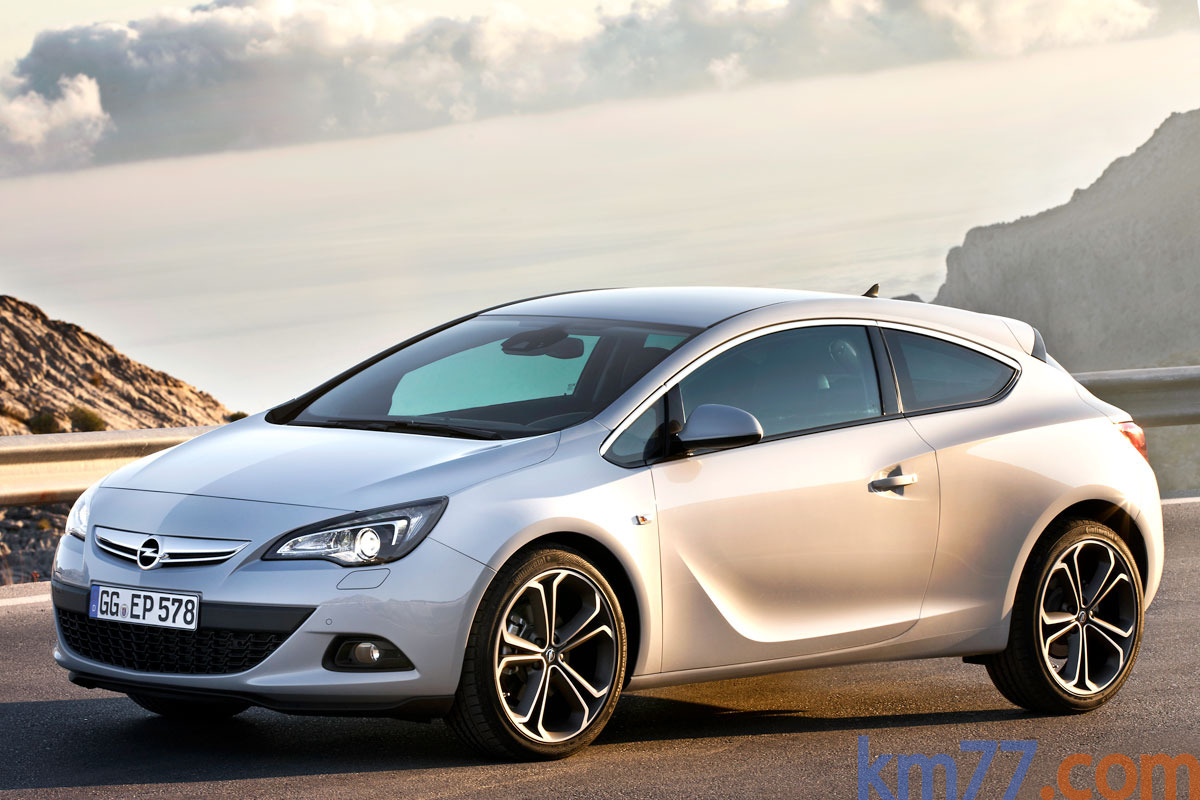
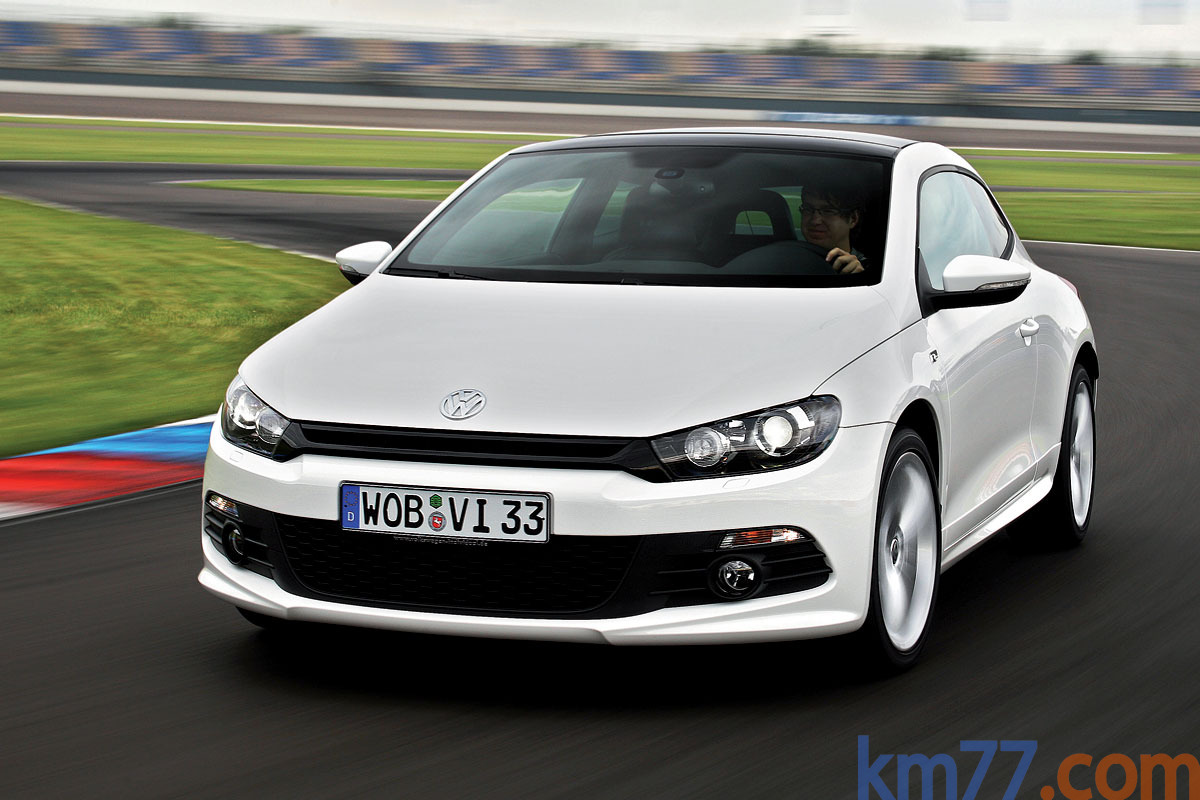
Pode ser fodinha mas é feio pra caralho.

Eu morasse na Europa ia de Astra GTC ou Sciroco, não sou piloto mesmo. Imagem

Re: BRZ versus GT 86

Enviado: 06 Dez 2011, 21:13
por K.D.R
lprf escreveu:Pode ser fodinha mas é feio pra caralho.

Eu morasse na Europa ia de Astra GTC ou Sciroco, não sou piloto mesmo. Imagem

Re: BRZ versus GT 86

Enviado: 06 Dez 2011, 21:14
por dcoelho
Kicksilver escreveu:Algo me diz que abf não vai gostar.... Imagem

Querem apostar??? (Schroder??) Imagem

lprf escreveu:Pode ser fodinha mas é feio pra caralho.

Eu morasse na Europa ia de Astra GTC ou Sciroco, não sou piloto mesmo. Imagem
Hahahahahahahahaha!!!!!!!!!! Imagem

Re: BRZ versus GT 86

Enviado: 06 Dez 2011, 21:15
por LPRF
Problem carros feios?

Imagem
Imagem
Imagem

Re: BRZ versus GT 86

Enviado: 06 Dez 2011, 23:09
por Kicksilver
lprf escreveu:Pode ser fodinha mas é feio pra caralho.

Eu morasse na Europa ia de Astra GTC ou Sciroco, não sou piloto mesmo. Imagem
Que post inesperado amigo.

:fuckthat:
lprf escreveu: Imagem
Imagem Imagem Imagem

:ohhhyeee: :ohhhyeee: :ohhhyeee:

To achando que esse é o carro mais bonito ever.

Re: BRZ versus GT 86

Enviado: 06 Dez 2011, 23:32
por AlvoErrado2
E o mais manco também!! Imagem


Europeus que são os mais intendidos em carros elogiam, alemão nascido no Brasil e criado no sub-estado do Paraná desdenha. Imagem

Re: BRZ versus GT 86

Enviado: 06 Dez 2011, 23:37
por Kastor
AlvoErrado2 escreveu:E o mais manco também!! Imagem


Europeus que são os mais intendidos em carros elogiam, alemão nascido no Brasil e criado no sub-estado do Paraná desdenha. Imagem
Imagem Imagem Imagem Imagem Imagem Imagem Imagem

Re: BRZ versus GT 86

Enviado: 07 Dez 2011, 01:26
por tomsa2
Falta um metro de carro aí. Cade o resto?

Imagem

Re: BRZ versus GT 86

Enviado: 07 Dez 2011, 07:56
por Ramiel
lprf escreveu:Pode ser fodinha mas é feio pra caralho.

Eu morasse na Europa ia de Astra GTC ou Sciroco, não sou piloto mesmo. Imagem
Post Jac Motors: Inesperado Imagem

Agora, FWD?
:Arhg!le: :Arhg!le: :Arhg!le: :Arhg!le: :Arhg!le:

Re: BRZ versus GT 86

Enviado: 07 Dez 2011, 08:30
por Kicksilver
tomsa2 escreveu:Falta um metro de carro aí. Cade o resto?

Imagem
Emprestaram pra ele:

Imagem

Imagem Imagem Imagem

Re: BRZ versus GT 86

Enviado: 08 Dez 2011, 08:09
por Ramiel
TOYOBARU: O NOVO BRINQUEDO JAPONÊS
Postado por Felipe Bitu
Imagem
Toyota + Subaru = Toyobaru
Eu adoro arroz, principalmente na hora do almoço, mas os japoneses adoram mais ainda. Eles comem arroz o dia inteiro: do café da manhã até o jantar, toda hora é hora para se comer arroz. O cereal é tão importante para eles que o governo japonês incentiva o plantio em qualquer lugar: o dono de um terrenão não pode simplesmente deixá-lo abandonado com mato crescendo. Ou ele ergue um prédio ou planta arroz.

É a estratégia da autossuficiência: o Japão poderia comprar arroz tailandês, vietnamita ou indiano por uma pequena fração do custo da produção interna, mas trata-se de uma respeitável cultura milenar. O país já importa uma infinidade de recursos naturais e por isso se recusa a comprar comida de outros países para alimentar seu povo. Na ponta do lápis é uma conta que não fecha, mas que se sustenta pela elevada taxação imposta ao arroz importado.

Questão de independência: acostumados a agruras históricas, o povo japonês sabe que é melhor enfrentar as vicissitudes da vida de barriga cheia. E o melhor: sem precisar depender de ninguém.

E qual é a relação do arroz com automóveis? Pois bem, praticamente todos os fabricantes japoneses de automóveis são capazes de projetar seus modelos de forma independente, de pára-choque a pára-choque. Desta forma, só para citar poucos exemplos, a Mazda se destacou com seus motores Wankel, a Honda obteve grande destaque com seus motores de elevada potência específica e a Toyota tornou-se conhecida pela robustez e confiabilidade excepcional de seus automóveis.

Mazda e Honda souberam trabalhar muito bem suas respectivas imagens, com produtos capazes de agradar ao mais exigente e passional dos entusiastas: quem mora em Brasília com certeza se lembra do sempre politicamente incorreto Nélson Piquet voando baixo ao volante de seu RX-7. Na mesma época, Ayrton Senna acelerava dois NSX: um Acura em São Paulo e um Honda em Portugal. Mas, e a Toyota?
Imagem
Entusiasmo modesto: de 0 a 100 km/h em 17 segundos. Velocidade máxima de 155 km/h.
Voltando a um passado já meio distante, o ano de 1965 foi muito importante para o maior fabricante japonês: tinha início a produção do seu primeiro esportivo, o Sports 800, enquanto o 2000GT era apresentado no Salão de Tóquio. O primeiro era um minicupê de 580 kg e motor boxer bicilindrico de apenas 45 cv, enquanto o segundo era um legítimo grã-turismo, apto a competir em paridade com o que havia de melhor no segmento.

Eram, respectivamente, arroz e caviar, e ambos tiveram a sua importância. Em números absolutos, não havia esportivo mais lento que o pequeno Sports 800, mas a sua fórmula chapmaniana mostrou a que veio: com baixo consumo de pneus e combustível, terminou os 500 quilômetros de Suzuka de 1966 sem nenhuma parada, faturando o primeiro lugar em sua categoria. Deixou para trás nomes pomposos como Honda S800, Nissan Skyline GT e... Lotus Elan!

No mesmo ano, o 2000GT quebrou 16 recordes mundiais de longa duração na famosa (e hoje extinta) pista de Yatabe. Ciente da maravilha que havia criado, a Toyota aguardou o término do contrato de Carroll Shelby com a Ford para logo em seguida enviar três unidades do 2000GT para o ex-piloto texano. Pode-se dizer que quatro vitórias na SCCA (em cima dos já temidos Porsche 911) foi um resultado e tanto.

Mas foi tudo em vão: como o MAO relatou, ninguém entendeu o 2000GT e apenas 337 unidades foram produzidas. Apesar de carismático, o Sports 800 sucumbiu um ano antes do 2000GT, já que o dia-a-dia não é uma prova de resistência. A Toyota praticamente abandonou o segmento de veículos esportivos e durante alguns anos seu expoente máximo de esportividade foi o Celica, que anos mais tarde ganhou um motor de seis cilindros em linha, dando origem ao primeiro Supra.

Em 1986, Supra e Celica tomaram rumos diferentes: o primeiro evoluiu até tornar-se um ícone da alto desempenho pelas mãos do competente Isao Tsuzuki enquanto o Celica passou a ser um cupezinho de tração dianteira baseado nos Toyota Corona/Carina. Para transpor o abismo entre eles, os entusiastas da Toyota precisaram reciclar os hachi-roku: os leves Corolla AE86 da década de 80, transformados em pequenos brinquedos entusiastas de tração traseira.
Imagem
Cada um tem o Chevette que merece!
A verdade é que fora a magnitude do Supra, a Toyota é hoje mais conhecida pela invulnerabilidade das Hilux/Tacoma/Tundra e pelo elevado padrão de qualidade de seus daily drivers Corolla e Camry. O Supra desapareceu em 2002 e a Toyota ficou com uma linha de automoveis quase sem apelo emocional, adquiridos em função do seu elevado padrão de qualidade, robustez, confiabilidade mecânica e ausência de probleminhas chatos capazes de acabar com a paciência de qualquer um.

Automóveis fiéis como um cão Akita, mas nada entusiastas. Até a chegada do Lexus LFA, nada parecia ser mais enfadonho do que um Toyota, situação semelhante à da Ford antes do furacão GT40. O problema é que o LFA custa uma fábula: bons esportivos deveriam custar no máximo US$ 40.000 (e não US$ 400.000!!!). Como entusiasta, desejo a fanfarra para o homem comum e não para meia dúzia de endinheirados excêntricos que provavelmente guardarão seus brinquedos para raras aparições em Laguna Seca, Goodwood ou Pebble Beach.

Mas, e o arroz?

Ah, o arroz... Arroz não é caviar: é um cereal nutritivo e muito palatável, podendo compor inúmeras receitas deliciosas. E pode custar muito pouco, se você abrir mão dessa tradição de "independência estratégica" e contar com o apoio de um parceiro para dividir os custos do cultivo, colheita e beneficiamento.

Caviar atual a Toyota já tem: o Lexus LFA é caro porque a Toyota decidiu criar tudo sozinha e por isso gastou 10 anos para desenvolver chassi, suspensões, transmissão... Há uma pequena participação da Yamaha no motor, mas não sei dizer se ela foi subcontratada para executar o serviço (como no 2000GT) ou se prestou consultoria para afinar a deliciosa melodia do motor V-10. O próprio MAO sabiamente o definiu como "Toyota 4800GT".

Faltava o arroz: um carrinho entusiasta e barato, acessível à maioria das pessoas e de preferência com um bom tempero, pois de carro insosso já bastam os Corollas e Camrys. Uma reedição do Sports 800, com direito a motor boxer e tudo mais, mas com bastante torque e potência para não repetir o raquitismo que matou a idéia original. Para reduzir custos (lembrem-se, não é caviar), nada de projetar um novo boxer: o melhor é mandar a independência às favas e sair buscar um parceiro que seja especialista no assunto.
Imagem
Prazer, sou seu novo sócio!
E o parceiro escolhido não poderia ser outro senão a Fuji Heavy Industries, mais conhecida pela excelência dos automóveis (e motores) que fabrica através da sua divisão Subaru. Mundialmente conhecida pelo emprego da tração integral, a Subaru analisou a proposta da Toyota e concluiu que fornecer motores ao gigante japonês era uma opção muito limitada: ideal seria participar do projeto e desenvolvimento de um automóvel completamente novo, com um caráter distinto da linhagem que amealhou prestígio nos ralis mundo afora.

Vejamos: a tração integral é sinônimo de aderência em condições adversas, mas em condições normais fica evidente o lado negativo da sua complexidade: o indesejável aumento de peso e o arrasto resultante de perdas mecânicas. Tomem como exemplo um Impreza WRX hatch, um carro entusiasta maravilhoso, que em sua versão original pesa mais de 1400 kg, consome cerca de 10 km/L de gasolina em percurso rodoviário e não chega aos 210 km/h, mesmo com a relativamente longa relação final de transmissão.

Fica claro portanto que o projeto do carrinho esportivo leve interessava não só à Toyota, mas também à Subaru. Nascia o conceito do TOYOBARU, ou seja, um "fun car", cujas versões finais foram apresentadas na última semana: serão comercializadas como Toyota GT86, Subaru BRZ e Scion FR-S. A grosso modo, configuração clássica Toyota (motor dianteiro e tração traseira) e motor boxer Subaru, conhecido por ser menos áspero do que um motor de 4 cilindros em linha e ter um centro de gravidade baixíssimo, como pode ser visto abaixo no manual divulgado pelo FT86 Club:

Imagem
O boxer é largo: reparem na inclinação da torre da suspensão McPherson. Quase não cabe!
Sim, é verdade: num mundo cada vez mais chato, ainda há espaço para carrinhos entusiastas: pequenos, leves, potentes e dotados de tração traseira. No caso da Subaru, é o primeiro modelo de motor dianteiro e tração traseira desde o pioneiro 1500: eliminou-se o transeixo em favor de uma caixa convencional, permitindo montar o motor em cima do eixo dianteiro.

Curiosamente, a distribuição de peso entre os eixos não ficou equalizada: havia a possibilidade de se criar um carro de comportamento completamente neutro adotando um transeixo traseiro (colocando 50% de peso em cada eixo), mas os japas preferiram "desequilibrar" essa distribuição propositalmente para concentrar massa no eixo dianteiro e deixar a traseira mais leve e solta.

Fizeram a mesma coisa nos Mustang atuais, talvez para irritar ainda mais aqueles que torcem o nariz para o eixo rígido traseiro. Talvez por isso o Mustang seja considerado por muitos como o mais divertido dos muscle cars atuais.
Imagem
Mais peso na dianteira, traseira mais solta: o Mustang atual também faz de propósito...
Com dois ocupantes, 53% do peso fica concentrado sobre o eixo dianteiro e os restantes 47% sobre o eixo traseiro. Não restam dúvidas: é mesmo um fun car, ficando claro que o objetivo não foi obter um comportamento dinãmico excepcional, mas sim um comportamento dinâmico recreacional. Não perderam tempo projetando um carro que faz curvas, mas sim em como ele faz as curvas.

Acredito que o carro fará sucesso entre os amantes de drifts, touges e outros esportes motorizados fritadores de pneu (coisa não muito comum entre Subarus). É claro que eu não posso afirmar isso com absoluta certeza (nunca andei no carro), mas parece que a Toyota agora está sob diretrizes entusiastas, decidida a levar esse entusiasmo ao maior número de pessoas: carrinhos potentes, leves e de tração traseira, para alegria de todos.

E por falar em pneus, outra boa novidade: felizmente o carro utiliza um conjunto modesto para os ridículos padrões atuais: nas versões mais simples, pneus 205/55 montados em rodas de aro 16. Nas versões mais caras, pneus 215/45 em rodas de aro 17. Não me recordo onde li tal informação, mas consta que um dos objetivos do projeto era um porta-malas capaz de acondicionar um jogo de rodas e pneus extra, para que o carro possa ir rodando a um track day. É para corar de vergonha aquele seu vizinho que anda de Kia Soul e enormes rodas de aro 18.

Mas, quão potente é o Toyobaru? O boxer de dois litros é "quadrado", ou seja, utiliza as já tradicionais medidas de 86 mm de diâmetro por 86 mm de curso, resultando em 1.998 cm³. Alterna dois modos de injeção (direta e indireta, nunca vi coisa igual) e dois cabeçotes com duplo comando dão conta de uma respiração bem eficiente, capaz de gerar 200 cv a 7.000 rpm e o torque máximo de 20,9 m·kgf a 6.600 rpm.

Imagem
Margem de apenas 400 rpm: motor agudo que pede giro!
Com uma margem de apenas 400 rpm, tudo indica que o "piloto" ao volante do Toyobaru fará bom uso da caixa de seis marchas (manual ou automática). Comportamento de pista, muito mais realista do que enormes motores 400, 500 ou 600 cv que fazem a festa do departamento de marketing, mas que raramente aparecem em um autódromo.

Salvo pequenas variações, o peso total do Toyobaru ficará em torno de 1.200 kg: ótima relação peso-potência de 6 kg/cv. É mais que o dobro do peso do Sports 800 da década de 1960, mas as prioridades hoje são outras: é preciso atender aos requisitos mínimos impostos pelas legislações de impactos, o consumidor consciente não está mais disposto a arriscar a sua vida em um carro que desmancha com um peteleco. Então já que é para reforçar, que seja uma estrutura inteligente, muito rígida, como num carro de competição.

E a tração traseira? Ora, tração dianteira não é mais coisa de hot hatch, vemos hoje um grande número de enormes sedãs de tração dianteira com mais de 300 cv, transmitindo toda essa potência ao solo através de duendes eletrônicos. E quem faz questão de um sedanzão de tração traseira encontra os mesmos duendes cortando a diversão, tornando a transmissão clássica por cardã um enorme desperdício. Numa época em que até a BMW cogita fabricar "Passats" de tração dianteira (já que boa parte de seus clientes não sabe ou não quer explorar os limites d0 carro), é realmente animador ver que ainda há lugar para o entusiasmo.

Quanto vai custar: nos EUA, US$ 26.000, mais do que os muscle cars de motor V-6: o Mustang sai por por mais de US$ 22.000, o Camaro por aproximados US$ 23.000 e o Challenger esbarra nos US$ 25.000, mas há quem diga que são versões paupérrimas, que só existem para formar catálogo. Ah, acredito piamente que não são comparáveis a um carro que deixa firulas em segundo plano, colocando o desempenho e o prazer em primeiro lugar.
Imagem
A cor da moda: branco Robert Sharp.
Ficou bom esse arroz não??? Resgatou uma tradição Toyota e provocou um impacto comparável ao do Mazda Miata em 1989 ou do Honda S2000 em 1999. E, sem dúvida alguma, representa o começo de uma nova era para a Subaru.

Toyobaru, seja bem-vindo: o mundo precisa de carros entusiastas como você.

FB

http://autoentusiastas.blogspot.com/201 ... pones.html

Re: BRZ versus GT 86

Enviado: 08 Dez 2011, 08:10
por tomsa2
Kicksilver escreveu:
tomsa2 escreveu:Falta um metro de carro aí. Cade o resto?

Imagem
Emprestaram pra ele:

Imagem

Imagem Imagem Imagem
Aí sim! Kick para presidente! Imagem