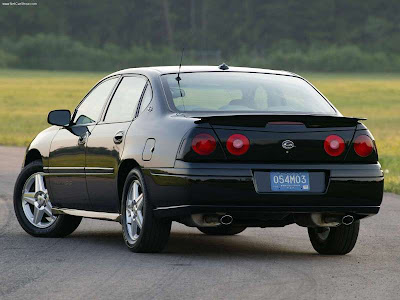
dcoelho escreveu:A General Motors está convocando mais de 38.000 carros Impala. Até aí, nada demais, já que recalls são constantemente anunciados. A novidade é que desta vez o recall afeta unicamente os Chevrolet Impala feitos especialemente para as polícias americana e do Canadá.
O problema é na suspensão dianteira, onde um braço inferior pode se quebrar, causando a mudança brusca de direção. Segundo a GM, os Impalas vendidos ao público em geral utiliza outro sistema de suspensão que não apresentou nenhum tipo de problema. Todos os carros incluidos no recall foram construídos na fábrica da GM em Oshawa, Ontário-Canadá.
 Fonte
Chevys...
Fonte
Chevys... 
Aí a polícia americana fica 30 anos usando Crown Vics e a GM não sabe o porquê.
Antes de ficar supondo coisas, deveria primeiro se informar.
Destaquei em azul os recalls sofridos pelos Crown Victorias da Polícia, recall não foi exclusividade do feio impala.
http://www.fordproblems.com/recalls/Crown_Victoria/
NHTSA Recall History
1992:
"Antilock" brake warning lights in small number of cars will not actuate.
1992-93:
Speed-control deactivation switch can develop a short, which could potentially result in fire even if engine is not running.
1992-98 Crown Victoria w/speed control system:
The speed control deactivation switch may, under certain conditions, leak internally and then overheat, smoke, or burn. This could result in an underhood fire. Dealers will install a fused wiring harness.
1992-98:
This vehicle was previously repaired using a wiring harness that is not compatible with the vehicle circuit polarity. Dealers will install a new wiring harness, or replace the mating electrical component.
1992-99 police/fleet/natural gas:
Bearing within lower ball joint can weaken slowly during use and eventually crack; could result in separation, allowing control arm to drop to the ground.
1993-94 w/police option:
Upper-control-arm bolts can loosen and fracture, causing substantial negative camber and steering pull; fracture at both holes could result in loss of control.
1994:
Nuts and bolts that attach rear brake adapter to axle flange can loosen and eventually separate.
1995:
In the event of short-circuit or overload, both headlamps can go out without warning.
1995:
On some cars, passenger-airbag's inflator body is cracked and may not inflate properly; also, igniter end cap can separate.
1995:
Rivet heads holding rear outboard seatbelt D-rings may fracture under load, reducing belt's restraining capability.
1995:
Seal material between fuel-filler pipe and tank may not have been fully cured, which could allow fuel to leak.
1995-96 fleet cars only:
Corrosion of inadequately lubricated Pitman arms can cause abnormal wear of joint, resulting in separation.
1996:
Driver's door, when closed only to secondary latched position, may not sustain specified load.
1996-00:
Replacement seatbelts made by TRW and sold by Ford may not restrain occupant in a collision.
1996-03 CNG vehicles:
Vehicle fire could lead to natural-gas tank explosion.
1997 w/traction control:
Rear brake line may chafe due to contact with floor pan stiffening rib, resulting in brake fluid leakage; brake pedal could develop "spongy" feel and brake performance may be compromised.
1998-00:
Incorrect jacking instructions may cause personal injury.
2000:
During high-load conditions (ice, snow, or other debris), windshield wipers could become inoperative with no advance warning.
2000:
Left-rear seatbelt-retractor bolts were incorrectly tightened on a few cars.
2000:
Loose module on a few cars could result in delayed airbag deployment.
2001:
A restraint control module (RCM) or a side or front crash sensor may have been assembled with one or more of the screws that mount the circuit board in the housing missing.
2001:
Driver- and/or outboard front-passenger's seatbelt buckle may not fully latch. In the event of a crash, the restraint system may not provide adequate occupant protection.
2002:
A T-fitting that connects two of the fuel tanks can develop a leak when the ignition switch is on or during refueling, increasing the risk of fire.
2003 Fleet:
Overloading the wheel bearings and axles on certain police, commercial and passenger models sold to fleets could lead to early bearing failure, and ultimately to axle-shaft fracture.
2003-04 Heavy-duty Fleet and Police:
At extremely high operating temperatures, the sound insulating panel could sag and possibly contact the catalytic converter, resulting in burning odor, smoke, and potential for fire.
2003-05 Crown Victoria Police Interceptor models w/steel wheels:
Some of the wheels may develop cracks in the rim near the weld line that connects the rim to the disk. The cracks can ultimately result in rapid air loss from the tire and could affect vehicle control. Dealers will inspect and replace affected wheels.
2007:
The windshield may not be properly secured to the vehicle body, resulting in wind noise, squeak/rattles, and/or water leaks. Dealers will replace the windshield.
http://www.policecars.us/crvicrectsbs_home.html
http://www.msnbc.msn.com/id/17501420/ns ... CjmcKCfX8g
http://www.automobilemag.com/auto_recal ... _victoria/
http://www.motortrend.com/used_cars/11/ ... a/recalls/